

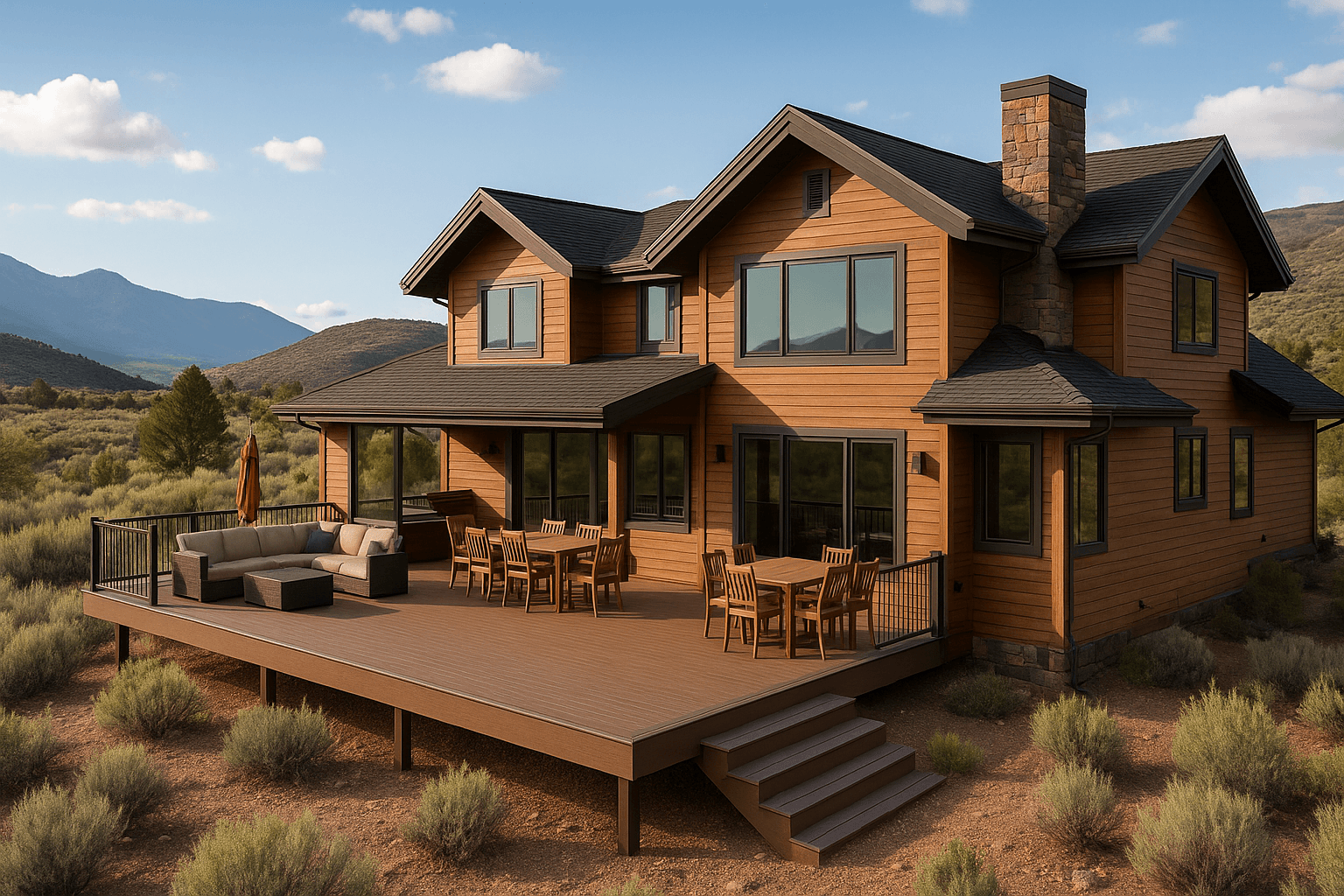
Picture a summer evening on the Wasatch Front—warm light on the mountains, grill going, kids running in and out—while you take five on a solid deck that won’t splinter, warp, or feel like a frying pan under your feet. That’s the whole point of a great outdoor living space. And around Salt Lake City, where we juggle high-altitude sun, snow loads, and dry air, your decking choice matters more than you’d think. At Utah Deck Company, we build spaces that feel easy and look great year after year. Let me explain what works best here, why it works, and how to choose the right fit for your home and your weekends.
Contents
- 1 What makes a great deck in Salt Lake City?
- 2 The big four decking choices
- 3 Quick side-by-side for our climate
- 4 Railing, framing, and footings: The unseen heroes
- 5 Real-life combos we install around SLC
- 6 Color, comfort, and traction: Small choices, big difference
- 7 Maintenance cheat sheet for Utah decks
- 8 Ballpark pricing in Salt Lake City
- 9 Permits, HOA, and timelines
- 10 Why homeowners choose Utah Deck Company
- 11 Ready to plan your outdoor living space?
What makes a great deck in Salt Lake City?
Our climate’s a character. We’ve got intense UV, freeze-thaw cycles, and those sneaky canyon winds. Composite products can fade if they’re not capped well; Wood can check and split in dry air; and darker boards can run hot in July. Then there’s snow—weight matters, and so does traction when the steps get frosty.
We also design to local building codes. Footings need to be set below frost depth—usually about 30 to 36 inches in much of the Salt Lake valley—and frames must handle snow loads and guardrail requirements. You know what? Quiet details like slip resistance, heat build-up, and maintenance time are what keep you happy on year three, not just week one.
So the “best” deck here isn’t one thing. It’s the right material matched to your sun exposure, your budget, and how much time you want to spend on upkeep.
The big four decking choices
Pressure-treated and cedar: Warm, classic, and budget-friendly
Wood is familiar. It feels warm underfoot and looks natural against our high desert landscape. Pressure-treated pine is the most affordable path to a new deck. Cedar or redwood costs more but resists rot and insects better and smells great while you’re working out there in spring.
The trade-off? Maintenance. Wood needs an annual wash and a re-seal every one to two years, especially in our dry air and strong sun. Boards will move a bit with seasons, and color will mellow to a silver tone unless you keep up with finish. If you love the look and enjoy the ritual, it’s still a solid choice.
Composite decking: Today’s crowd favorite
Composite decking blends wood fibers and recycled plastics, often with a “capped” shell for stain and fade resistance. Brands we trust here include Trex, TimberTech, and Fiberon. Good composites shrug off spills, resist splinters, and clean up with soap and water. For many Salt Lake homeowners, it’s the sweet spot.
Things to watch: darker Colors get hotter, and cheaper uncapped lines can fade faster under our UV. We recommend capped boards with a good warranty and traction rating. You’ll still want the occasional wash—pollen, dust, and barbecue smoke happen—but there’s no sanding or staining. Honestly, that’s why most of our families choose composite: low hassle, long life, great look.
PVC decking: Light, bright, and very low upkeep
PVC decking (like Azek) is all synthetic. It handles water and sun very well, cleans fast, and is very color-stable. Lighter colors stay cooler under mid-day sun, which matters on south-facing decks at our elevation. PVC can move more with temperature swings, so we install it with the right fasteners and spacing. It’s premium stuff—quietly slick if you like a crisp, modern look.
Aluminum decking: Tough as nails and snow-savvy
Aluminum decking doesn’t rot, burn, or warp. It’s strong, slip-resistant, and great for high snow zones or wildland-urban interface areas where fire ratings matter. It can look sleek but slightly industrial; some homeowners love that modern vibe. Cost is higher, and the sound underfoot is different than wood. But if you want a deck that laughs at weather, it’s a contender.
Quick side-by-side for our climate
| Material | Maintenance | Salt Lake Fit |
|---|---|---|
| Pressure-Treated / Cedar | Annual clean; stain/seal 1–2 yrs | Good if you love wood and don’t mind upkeep |
| Composite (Trex, TimberTech, Fiberon) | Wash as needed; no staining | Excellent for low-hassle living; choose lighter colors for heat |
| PVC (Azek) | Very low; simple wash | Great UV resistance; bright colors stay cooler |
| Aluminum | Minimal | Outstanding for snow, fire ratings, and longevity |
Railing, framing, and footings: The unseen heroes
The deck surface gets the spotlight, but structure keeps everything solid. We frame with quality treated lumber or, for long spans and absolute straightness, steel framing. Steel costs more but resists twist and sag, which matters with heavy snow and wide picture-frame designs.
Footings go below frost depth and are sized to the load; hillside lots sometimes get helical piers for stability. For fastener systems, hidden clips keep the surface clean, while color-matched screws work great on stairs and picture-frame borders. And railing? That’s your view. Composite and aluminum railings are durable; cable or glass opens sightlines to those mountain sunsets.
If you want dry storage under a second-story deck, we add an under-deck drainage system and a clean ceiling. It’s an easy way to get a shady lounge without building a full patio cover.
Real-life combos we install around SLC
Every backyard tells a different story. Here are a few that work beautifully here:
- Family-friendly composite + aluminum rail: Low maintenance, excellent safety, and easy cleaning after weekend pizza nights.
- PVC deck + pergola on a south-facing yard: Cooler boards plus filtered shade; great for midday comfort and long July afternoons.
- Cedar surface for a cozy bungalow: Natural feel with a clear or semi-transparent stain; simple, warm, and budget-conscious.
- Aluminum decking in the foothills: High snow and fire-wise design with a clean, modern look and near-zero upkeep.
You know what? The best designs often mix Materials—composite surface, steel frame, and a cable rail—so you get durability, style, and a view that actually feels bigger.
Color, comfort, and traction: Small choices, big difference
Salt Lake’s sun is no joke. Dark boards can feel hot by midafternoon. Lighter colors and variegated tones run cooler and show less dust. Texture matters too. Boards with deeper embossing and better slip ratings are safer on icy mornings.
If your space faces south or west, think shade. A simple pergola or a few well-placed posts for a shade sail transforms usability in July. We can also stagger board directions or add a picture frame for style that helps with heat expansion and clean lines. Small choices add up.
Maintenance cheat sheet for Utah decks
Keeping things simple is the goal. Here’s what we tell our homeowners:
- Spring reset: Rinse the deck, soft-brush any grime, and clear debris from gaps. Wood gets a check-up for loose fasteners and a fresh coat if needed.
- Snow tips: Use a plastic shovel and push with the board direction. Avoid metal edges that gouge. For ice, go easy on rock salt; many manufacturers prefer calcium chloride. Rinse in spring.
- Summer care: A quick wash with a mild deck cleaner and water keeps composite and PVC looking fresh. No power washer close-up blasts—keep a safe distance.
That’s it. The rest is grilling and stargazing.
Ballpark pricing in Salt Lake City
Every yard and design is different, but we know rough numbers help planning. Typical installed ranges in our area:
- Pressure-treated wood: About $25–$40 per square foot
- Composite decking: About $45–$75 per square foot
- PVC decking: About $60–$90 per square foot
- Aluminum decking: About $70–$110 per square foot
Railings, stairs, lighting, and steel framing add cost. So do hillside footings and custom shapes. That said, we work both ends—clean budget builds and premium statement decks—and we’ll be straight with you about what meets your goals.
Permits, HOA, and timelines
Salt Lake City follows the International Residential Code with local amendments. We handle drawings, engineering if needed, and permit submittals. Typical permitting runs a couple of weeks to a few, depending on season. Builds often take several days to a couple of weeks after materials land.
HOA? We’ll package the color samples, product specs, and drawings they want. Utility locates are scheduled through Blue Stakes of Utah 811 before we dig. Setbacks and lot easements get checked early so there are no surprises.
Why homeowners choose Utah Deck Company
We’re local, and we’re picky. Our crews know how high-altitude sun and lake-effect storms treat decks, so we specify products and details that hold up here. We work with leading brands like Trex, TimberTech, Fiberon, and Azek, and we stand behind our installs with solid workmanship warranties.
Design help is part of the process—board patterns, fascia details, under-rail lights, the whole picture. We keep the site clean, respect your neighbors, and communicate like we’d want on our own homes. It sounds simple because it should be.
Ready to plan your outdoor living space?
If you want a deck that looks sharp and handles Salt Lake City decking conditions without fuss, let’s talk. Whether you’re leaning toward composite decking, low-gloss PVC decking, classic wood, or even aluminum decking, we’ll help you choose what fits your home, your budget, and your weekends.
Call 801-921-6826 or click Request a Free Quote. No pressure—just straight answers from experienced Deck Builders in Utah who love a good mountain view as much as you do.