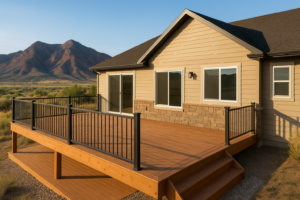


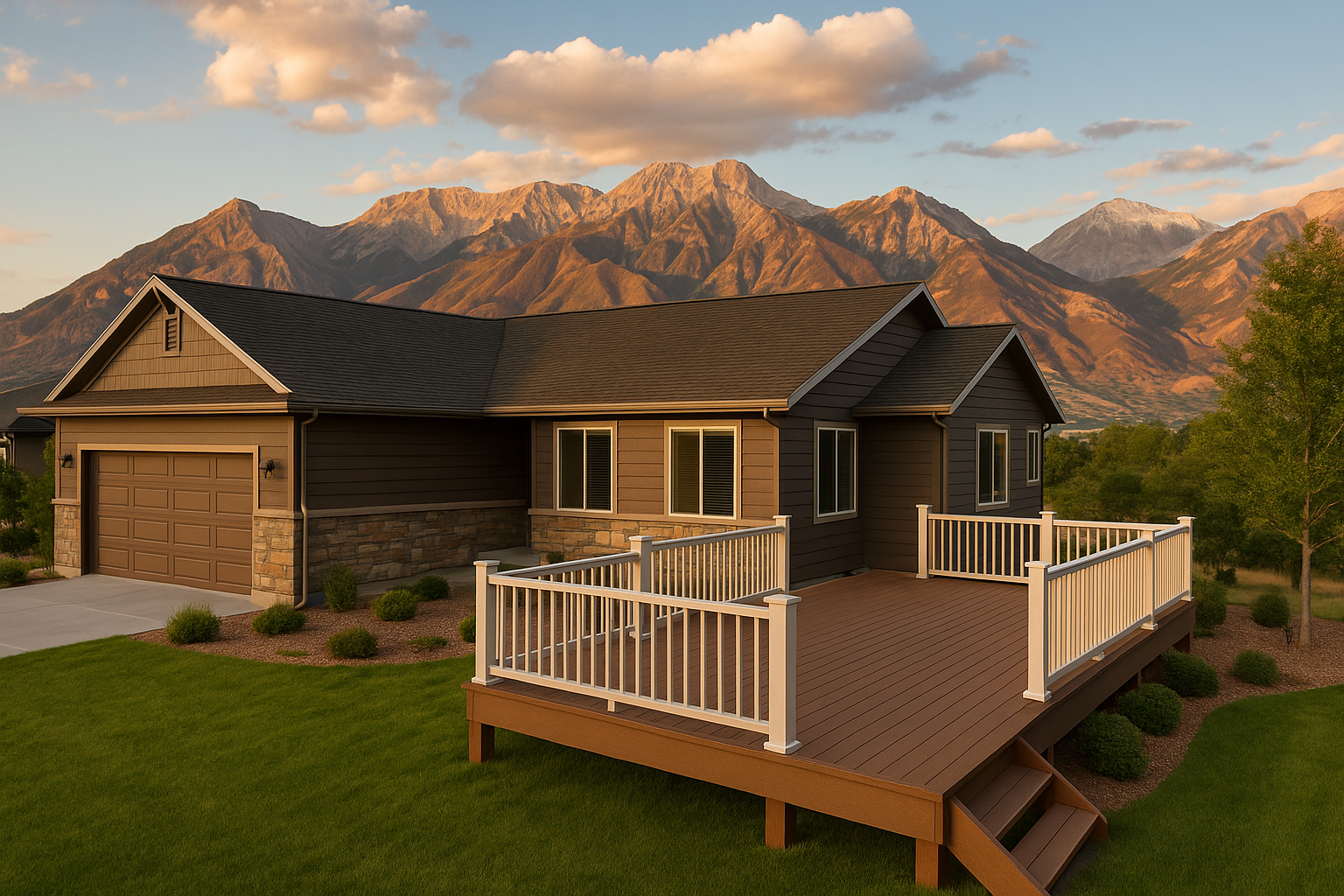
If you’ve been dreaming about a low‑maintenance backyard hangout that can handle Utah’s sun, snow, and everything between, a Trex deck Installation is a smart move. Trex Composite boards don’t splinter. They shrug off the Wasatch sun better than many stains. And honestly, they look great season after season with very little fuss. This guide walks Salt Lake City homeowners through planning, building, and finishing a Trex deck that feels rock‑solid and looks clean. DIY or with help, you’ll know what to expect, what to watch, and when to call in a pro.
Contents
- 1 Why Trex works so well in Salt Lake City
- 2 Plan first, screw later: sizing, permits, and placement
- 3 Foundation and framing: where strength starts
- 4 Laying Trex decking boards: clean lines, tight details
- 5 Finishing touches: fascia, skirting, and lighting
- 6 Care that actually feels easy
- 7 DIY or call the pros? A quick reality check
- 8 A friendly checklist for your Trex project
- 9 Ready to build the deck you’ve been picturing?
Why Trex works so well in Salt Lake City
Salt Lake City weather swings hard—high‑UV summers, chilly nights, lake‑effect snow. Composite decking in Salt Lake City needs to resist fading and moisture. Trex boards have a capped shell that helps fight stains and color fade, so barbecue sauce and mountain dust don’t become permanent artwork.
They’re also low maintenance. No annual sanding. No staining marathon in June. A rinse with soapy water usually does the trick. And because Trex is made from recycled Materials, you’ll feel good about fewer trees cut for weekend lounging.
One more local note: our freeze–thaw cycles. Water creeps into Wood, freezes, expands, and wreaks havoc. Trex handles that cycle better than softwood decking. You still want smart framing and drainage, but the boards themselves are far less fussy than traditional lumber.
Plan first, screw later: sizing, permits, and placement
Before you buy a single board, sketch the space. How many people will use it? Do you want a grilling zone and a conversation nook? Could you stretch to a small pergola next year? Keep traffic paths clear and plan furniture footprints. If you’re placing the deck off a kitchen, consider evening sun—our west‑facing exposure can be bright and toasty.
Check with Salt Lake City’s building department about permits and inspections. Most attached decks, and many detached ones, need permits. If you’re tying into your home’s rim joist, you’ll need a ledger that meets code, proper flashing, and the right fasteners. If you have an HOA, peek at their guidelines for color and railing styles.
And please, call before you dig. Blue Stakes of Utah 811 will mark utilities so your footing holes don’t meet a surprise. You know what? That one phone call saves a world of headaches.
Materials and tools you’ll actually use
Here’s a compact list that covers most Trex builds. Grooved boards pair with hidden clips; square‑edge boards are great for picture framing and stairs.
| Tool | Job | Pro tip |
|---|---|---|
| Miter/Chop saw with carbide blade | Clean deck board cuts | Use a fine‑tooth blade for smoother edges |
| Impact driver + drill | Fasteners and pilot holes | Keep spare batteries—composite can be dense |
| String line, level, and square | Keep framing true | Check for square early; it compounds later |
For materials, expect Trex grooved boards, square‑edge boards for borders, Trex Hideaway hidden fasteners, start/finish clips, 2.5 in composite screws, pressure‑treated framing lumber, joist tape, concrete for footings, and metal post bases. Add flashing for the ledger and construction adhesive for fascia if specified.
Foundation and framing: where strength starts
Footings are the anchor. In our area, plan to set footings to about 30 inches deep, or to local frost depth as required—Salt Lake City inspectors will confirm. Use proper concrete and set metal post bases while the mix is wet, aligned on centerlines. Get your beam layout set with string lines so the frame builds straight.
If you’re attaching the deck to your home, the ledger matters most. Fasten it to solid framing (not brick veneer) with structural screws or approved bolts, then flash it with metal flashing tucked under the house wrap. Water sneaking behind a ledger causes the worst kind of damage—quiet, slow, expensive.
Joist spacing is simple: 16 inches on center for boards installed perpendicular to joists. If you plan a diagonal pattern, tighten to 12 inches on center. Keep joists crowned the same direction. Add blocking at seams, around guard posts, and at picture‑frame borders. If your deck is over concrete or a patio, create drainage and airflow; Trex needs ventilation under the boards to stay happy.
Code cues you shouldn’t ignore
Most residential guard rails are at least 36 inches high. Stairs need consistent rises and runs, with solid handrails. If you’re unsure about spans and loads, check the current IRC tables or ask us; one quick check can save a rebuild. And don’t forget hardware—use hot‑dip galvanized or stainless on anything structural. Mixed metals and moisture lead to corrosion faster than you think.
Laying Trex decking boards: clean lines, tight details
Set your first board straight. If that one wanders, the whole deck drifts. Many installers “picture frame” the field with square‑edge boards first; it dresses the edges and helps hide cut ends.
With grooved boards, use Trex Hideaway clips between joists. Drive them snug, not crushed. At butt joints, add a double joist or blocking so each board end has full support. Leave gaps per Trex’s guide; a common target is around 1/8 inch between boards for drainage, with a hair more when it’s hot out and boards are expanded. Let boards reach the day’s temperature before you lock spacing.
Color‑variegated lines look most natural when you pull from multiple bundles at once. It avoids that “zebra stripe” pattern you don’t notice until the sun hits it just right. For start and end rows, use start/finish clips or face‑screw with color‑matched composite screws. If you must face‑screw, pre‑drill about 1 inch from board ends to prevent mushrooming.
Stairs that don’t squeak
Composite treads feel great underfoot, but they need tighter support. Place stair stringers about 9 inches on center. Add solid blocking at the top and bottom. For nosing, follow the Trex profile or use a square‑edge board with a clean overhang. Many folks finish risers with fascia to keep the look crisp and closed. And yes, use hidden fasteners wherever you can—your toes will thank you later.
Finishing touches: fascia, skirting, and lighting
Fascia wraps the perimeter and keeps the structure protected. Because composite expands with heat, leave small gaps at corners and follow the fastening pattern Trex recommends. A bead of construction adhesive plus properly spaced screws helps avoid oil‑canning.
Skirting gives you options. Lattice looks classic, but horizontal slats or composite panels read modern and tidy. Add ventilation cutouts or grills so air keeps moving under the deck.
Lighting changes everything. Post cap lights, stair lights, and under‑rail LEDs make evening gatherings safer and warmer. If you’re running low‑voltage wire, plan the routes before decking goes down; drill tidy holes and protect wire with grommets. You’ll thank past‑you when a bulb needs replacing.
Winter notes for the Wasatch Front: use a plastic shovel, not metal, and a calcium chloride ice melt if needed. Trex tolerates it better than wood. Give the boards a rinse after storms to keep residue from building up.
Care that actually feels easy
This might be the part you’ll like most. Cleaning a Trex deck usually means a bucket of warm, soapy water and a soft brush. For grease spills, hit them quickly. For spring refreshes, a garden hose and a mild cleaner often handle it. If you use a pressure washer, stay under about 3100 PSI, use a fan tip, and keep the nozzle at least 8 inches away.
Every fall, check rail posts, stair hardware, and ledger flashing. Tighten what needs tightening. Sweep leaves so moisture doesn’t camp out in one spot. That’s about it. No long weekends lost to sanding and staining.
DIY or call the pros? A quick reality check
Plenty of homeowners can build a strong, beautiful Trex deck with patience, accurate cuts, and careful layout. The trickier parts are the things you can’t see: ledger attachment, footing depth, and guard post blocking. Those details carry the load—literally.
If your design is low and simple, DIY might be perfect. If the deck attaches to your home, needs stairs, has a second level, or you’d like curved borders and lighting, that’s where we come in. Utah Deck Company handles design, permits, structural details, and the precision finishes that make a deck feel custom. We’ve built in Avenues yards with tight access, in Daybreak patios exposed to wind, and in Cottonwood heights where snow piles deep. We know what lasts here.
A friendly checklist for your Trex project
- Sketch and measure — Plan zones, furniture, and traffic paths; confirm sun and shade.
- Check rules — Permits, HOA standards, and Blue Stakes of Utah 811 marks.
- Build the bones right — Proper footings, ledger flashing, joist spacing, and blocking.
- Fasten smart — Hidden clips for grooved boards; pre‑drill if face‑screwing ends.
- Mind the gaps — Leave space for drainage and temperature movement.
- Finish clean — Fascia, skirting with airflow, and tidy lighting runs.
- Maintain lightly — Soap, water, quick checks, and a plastic shovel in winter.
Ready to build the deck you’ve been picturing?
If you’re feeling confident, this guide gives you a solid roadmap. If you’d rather spend weekends enjoying the backyard than measuring joists, we’re here to help. Utah Deck Company designs and builds Trex decks that look sharp, feel solid, and hold up to our Utah climate.
Call us at 801-921-6826 or click to talk now. Want a quick number to plan your budget? Request a Free Quote and we’ll follow up fast with clear pricing, timeline, and options that fit your space. Let’s turn that sketch into a spot you’ll use all season.