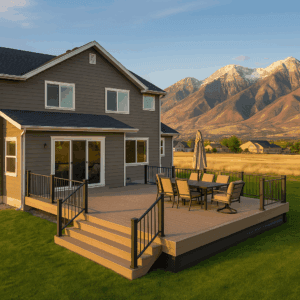


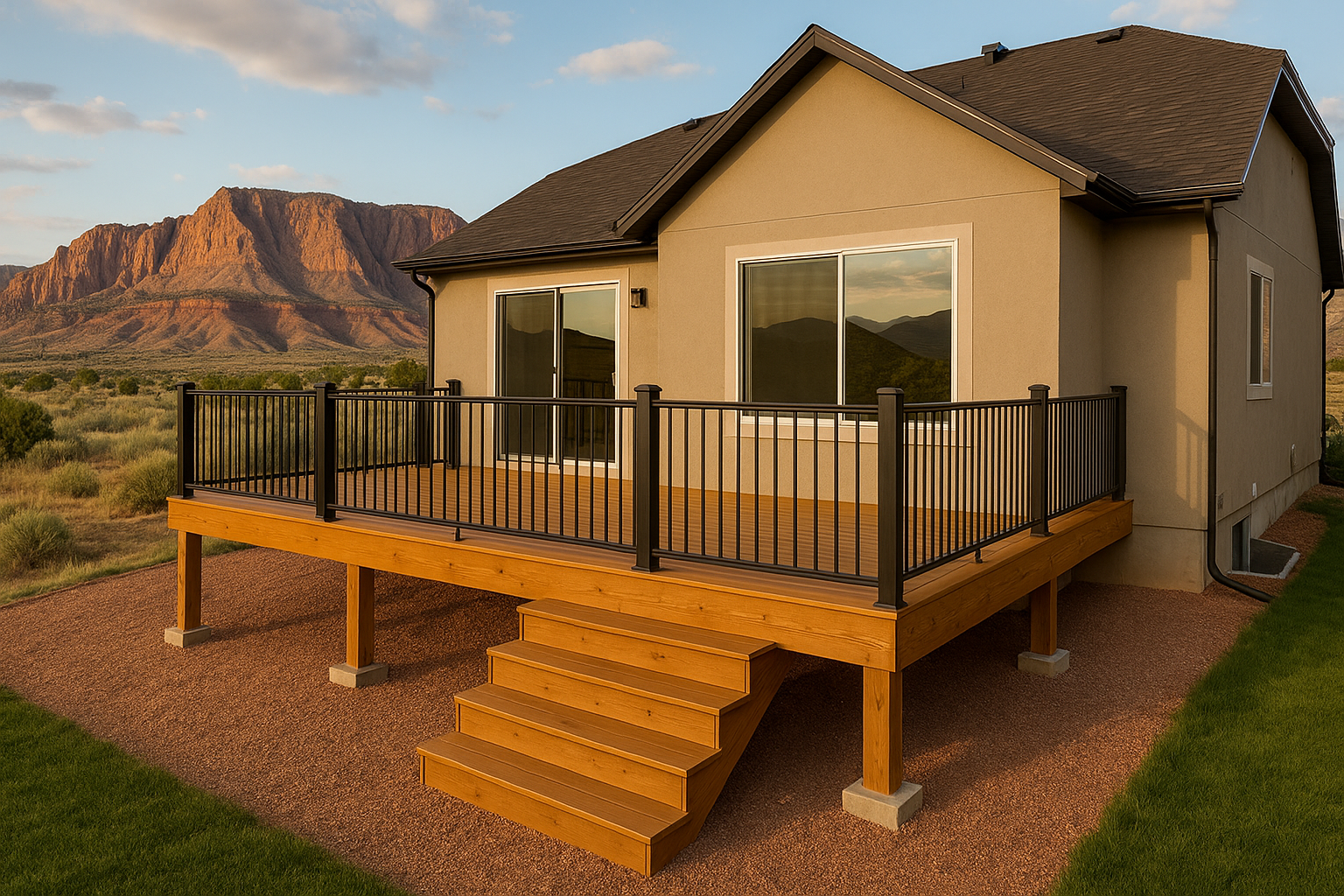
You picture summer dinners, string lights, neighbors waving from the sidewalk—then the snow comes and your deck still looks great. That’s the goal. A perfect deck Installation isn’t magic. It’s a recipe. And around the Wasatch Front, the ingredients are a little unique: big sun, freeze-thaw swings, and views worth framing. Here’s how Utah Deck Company builds a deck that feels easy to live with and tough enough to last—right here in Salt Lake City.
Contents
- 1 The plan comes first (because future-you will thank you)
- 2 Salt Lake soil and slope: small clues, big decisions
- 3 Permits, codes, and a little peace of mind
- 4 Footings and foundations: the quiet heroes
- 5 Framing that feels solid underfoot
- 6 Decking choices: warmth, color, and the heat question
- 7 Rails, stairs, and lighting: safety that looks sharp
- 8 Weather-wise building for the Wasatch Front
- 9 Finishing touches that make it yours
- 10 Timeline and budget: what to expect without the runaround
- 11 Maintenance: a 15-minute habit that pays
- 12 Why homeowners choose Utah Deck Company
- 13 Ready to map your perfect deck?
The plan comes first (because future-you will thank you)
Before a post is set or a board is cut, we map how you’ll really use the space. Morning coffee with a view of the Oquirrhs? Grilling near the kitchen door? A shady nap zone? That plan shapes everything—size, traffic flow, railing style, even where the hose bib should sit. It’s not fussy; it’s smart.
We also think top-down and bottom-up at once. Top-down means layout, sightlines, furniture footprints, and where the sun hits at 5 p.m. in July. Bottom-up means soil, frost depth, and drainage. Put those together and you get a deck that looks right and lives right. Honestly, it’s the difference between “nice deck” and “why didn’t we do this sooner?”
You know what? Little details like stair direction and gate placement matter when you’re hauling groceries or keeping a curious pup safe. We sketch those in early.
Salt Lake soil and slope: small clues, big decisions
Along the Wasatch Front, we see clay pockets, sloped yards, and sprinkler lines exactly where you don’t want them. We read the site first. Water should move away from the house, not toward it. That means grading checks, splash zones for downspouts, and footing Locations that won’t fight the yard every spring thaw.
We call Blue Stakes of Utah 811 before digging—no surprises with gas or fiber lines. Then we test for depth to native soil and plan for the local frost line—about 30 inches in much of the valley. Footings need to land below that so freeze-thaw cycles don’t nudge the deck out of level. It’s quiet work that pays off for decades.
Permits, codes, and a little peace of mind
Salt Lake City requires permits for most new decks. We handle drawings, submittals, and inspections. The International Residential Code sets the baseline—think 40-psf live load, 36-inch minimum guard height on most homes, and stair geometry that won’t trip your guests. We build to code or better, because the margin matters in snow and wind.
Let me explain: a deck is a living structure. It moves a touch. Good engineering keeps that movement tight and safe. Ledger connections, beam sizing, and railing posts are places we overbuild by default. You’ll feel the difference the first time a crowd gathers around the grill.
Footings and foundations: the quiet heroes
Every great deck starts with great footings. We set concrete piers below frost depth with bell-shaped bases when soil needs more bearing. In hillside zones or tight spots, we may suggest helical piers—steel anchors twisted into stable strata. They go in clean, test on the spot, and work beautifully in expansive clay or on slopes near the foothills.
Concrete matters here, too. We use air-entrained mixes for freeze-thaw durability and place rebar where it strengthens the pier, not where it’s convenient. Sonotube forms are cut clean to keep finished elevations consistent. It sounds picky. It is. That’s how we keep your beam line laser-straight.
Framing that feels solid underfoot
The skeleton sets the tone. We use pressure-treated posts and beams, then install joists with full-height blocking and hangers. Hardware is the language of strength, so we speak it well: Simpson Strong‑Tie connectors, hot-dipped galvanized or stainless where it counts, and structural screws like GRK RSS instead of nails in critical spots. That’s how bounce turns into quiet confidence.
Ledger attachments get extra love. We fasten into solid rim joists or structural framing with approved hardware and then flash in layers—peel-and-stick membrane, metal flashing, and a rain screen gap where possible. Water is patient. We’re more patient.
One more move we swear by: joist tape on the tops of framing. It’s a simple step that helps block water and extends the life of the Wood beneath Composite decking or natural wood boards.
Decking choices: warmth, color, and the heat question
There are great choices today. Real wood feels timeless. Composites bring low maintenance and tons of color. PVC boards thrive in wet areas. Because our altitude adds UV intensity, we talk through heat and fade up front. Dark boards get hotter in July. Lighter tones stay friendlier on bare feet. Simple, but easy to overlook.
| Material | Strengths | Care |
|---|---|---|
| Pressure-Treated or Cedar | Natural look, cooler underfoot, customizable stains | Seal every 1–2 years; gentle wash each spring |
| Composite decking (Trex, TimberTech, Fiberon) | Low upkeep, color options, consistent look | Soap-and-water clean; no staining needed |
| PVC Boards | Great moisture resistance, lighter weight | Routine cleaning; watch heat with darker Colors |
Brands like Trex and TimberTech perform well here and carry strong warranties. We space boards with the right gaps for drainage and expansion, fasten with hidden clip systems where appropriate, and picture-frame the edges for a clean, custom look.
Rails, stairs, and lighting: safety that looks sharp
Rails do a lot. They keep you safe, shape the view, and set the style. Aluminum systems from Fortress, composite rails from Trex, or cable rails with a modern vibe—each has a personality. In Salt Lake’s dry air, powder-coated aluminum holds color well and needs little fuss. Want a more woodsy vibe near the pines? Cedar top rails feel great to the touch.
Stairs follow code for rise, run, and landings. We build closed or open risers depending on your design, with solid stringers and secure connections. Then we add lighting where it guides the night: post caps, riser lights, or under-rail LEDs. Subtle, not flashy. Your future self walking out with a mug at 6 a.m. will appreciate it.
Weather-wise building for the Wasatch Front
Our seasons ask a lot. UV at altitude, winter snow loads, spring melt—your deck needs breathing room. We use breathable skirting, venting gaps, and proper clearances from grade so moisture doesn’t linger. We also pick fasteners that don’t rust out in snow cycles. Stainless where it shows, coated where it counts.
Thinking shade? A pergola, shade sail, or partial roof over a grilling nook can turn a hot pad into an all-day hangout. We pre-plan blocking for those posts so future projects snap in without guesswork. Small prep now; big smiles later.
Finishing touches that make it yours
Skirting hides the undercarriage and keeps critters out. Lattice, horizontal slats, or composite panels each give a different feel. Built-in benches save space and add storage. Privacy screens tame the breeze and soften street noise. And yes, we plan outlets, hose access, and mount points for that TV you swear you don’t need—but probably do for Utes games.
We nudge layouts so furniture fits right. A 36-inch walkway feels fine until three people pass at once—then you’ll wish for 48 inches. We design for real life, not magazine photos. Although, photos usually follow.
Timeline and budget: what to expect without the runaround
Most builds land in the 1–3 week range once permits are cleared, depending on size, complexity, and weather. In winter, we pour on fair-weather days and protect curing concrete from overnight freezes. In summer, we manage heat so Materials don’t move on us.
Budgets vary—wood is friendlier up front; composites cost more now and less later. Rail choice, stair count, and site work nudge numbers, too. We’ll talk through a clear scope, line by line, so you know where every dollar goes. No fuzzy math.
Maintenance: a 15-minute habit that pays
Good decks don’t ask for much. Sweep grit. Rinse mud. Spot-clean spills before the sun bakes them. For composite, a gentle soap wash in spring is usually enough. For wood, plan a seal or stain every year or two; we’ll suggest products that stand up to UV here.
- Winter care: Use a plastic shovel, not metal. For ice, skip rock salt and use calcium magnesium acetate or pet-safe blends that won’t chew hardware.
- Spring check: Look at rail posts, stair treads, and any caulk lines. If something wiggles, we tighten or replace it. It’s quick and it matters.
This is simple stuff. A little attention stretches life and keeps everything feeling tight and safe.
Why homeowners choose Utah Deck Company
We’re locals. We build for Sugar House bungalows, Millcreek splits, Daybreak HOA rules, and foothill slopes with big views. We know how far the sun reaches in August and how snow piles in January. That kind of local knowledge shows up in framing details and happy neighbors.
Our process is straightforward: clear design, honest timelines, premium hardware, and clean sites. We communicate—text updates, photos, simple schedules. And we stand behind our work with workmanship warranties that actually mean something. Plenty of Salt Lake families will vouch for us; ask and we’ll share addresses you can walk by.
Here’s the thing: a deck is part stage, part sanctuary. Built right, it adds calm to busy days and turns regular dinners into little events. That’s worth doing well.
Ready to map your perfect deck?
If you’re picturing summer on a sturdy, good-looking deck—and you want it built for Salt Lake weather—let’s talk. Call 801-921-6826 or tap Request a Free Quote. We’ll visit, measure, listen, and sketch a plan that fits your home, your budget, and the way you live. No pressure. Just clear answers and a path to a deck you’ll love for years.